1:14 RC Excavator: 22 Channels, 680° Swing Control
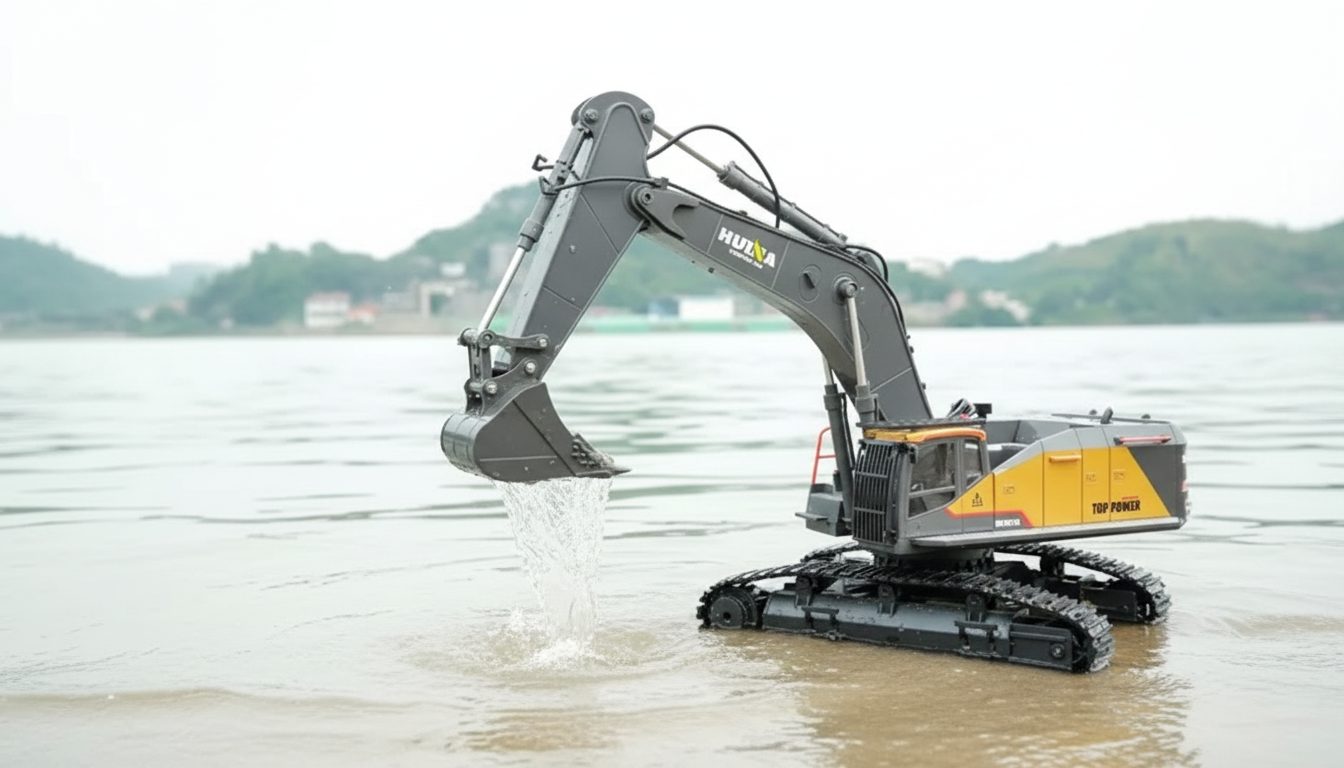
1:14 Scale RC Excavator with 22 Channels and 680° Rotation
A feature-rich scale excavator that prioritizes realistic control, multi-function operation, and wide upper-structure rotation for detailed digging, loading, and positioning work. The 1:14 size adds presence for indoor play or yard jobsite scenes while keeping handling manageable—large enough to feel substantial, yet practical to set up quickly and run in a sandbox, a soil patch, or a tray of kinetic sand. For more guidance, see DOUBLE E Remote Control Excavator Toy, 2*Batteries 2.4GHz RC ….
What the scale and control layout enable
A 1:14 scale RC excavator hits a sweet spot between display-worthy detail and everyday usability. It’s big enough that the boom, arm, and bucket movements are easy to see and “read” from a few feet away, which makes technique practice more rewarding than with smaller desk toys. For further reading, see Robotization of Miniature-Scale Radio-Controlled Excavator.
- 1:14 scale size balances detail with practicality for tabletops, sandboxes, and backyard terrain.
- Multi-channel control supports more independent movements, reducing the need to toggle functions mid-task.
- Higher channel counts are most noticeable when combining motions (boom + arm + bucket) while adjusting position.
22-channel control: how it changes operation
More channels generally means more separate functions are available at the controller without constantly switching modes. In day-to-day play, this is what makes an RC excavator feel less like a single-action toy and more like a miniature machine that can “work” through a sequence.
- Independent function access helps simulate real excavator workflows: approach, dig, curl, lift, swing, and dump with fewer interruptions.
- Extra actions may be supported beyond basic movement (depending on controller mapping), such as lights, sound, or auxiliary mechanical functions.
- Best practice: start with slow inputs to learn endpoints and avoid stalling when multiple functions run at once.
Control features and what they help with
| Feature | Practical benefit | When it matters most |
|---|---|---|
| Multi-channel operation | More functions available without frequent switching | Complex sequences like digging then dumping into a truck bed |
| Proportional inputs (where supported) | Smoother, more realistic motion control | Precision grading, careful placement, indoor use |
| Function mixing | Combine boom/arm/bucket while positioning | Loading cycles and trench shaping |
| Fine steering/throttle control | Easier alignment to a pile or target | Tight spaces and staged jobsite setups |
680° rotation: positioning, reach, and workflow
A wide rotation range changes how often you have to reposition the base. Instead of constantly “walking” the tracks or wheels to face a new dump point, you can keep the undercarriage planted and swing the upper structure across a broader arc. That’s especially useful in tight backyard scenes where space is limited and realism is the goal.
- Flexible spoil placement without constantly repositioning the tracks/wheels.
- Efficient trench work: swing to multiple dump points while the base stays stable along the cut line.
- Smoother realism: keep rotation slow during a full-bucket swing to reduce tip risk and maintain control.
For real-world context on how excavators are used and why controlled swing and positioning matter, references like Britannica’s overview of excavators provide a helpful baseline. For safety-oriented excavation fundamentals, OSHA’s excavation resources are a solid authoritative reference (even if your “jobsite” is miniature).
Realistic digging and loading techniques
Getting satisfying performance is less about brute force and more about sequencing. At 1:14 scale, you’ll get the cleanest cycles by using small, deliberate inputs and letting the bucket do the work.
- Start with a shallow bite: lower the boom, extend the arm, then curl the bucket to gather material rather than forcing a deep scoop.
- Use small corrections: tiny arm retractions and bucket curls can “pack” material into the bucket for cleaner dumps.
- Swing first, then raise when loading a container or truck bed—this reduces spillage and helps you align over the target.
- Repeat consistent trench passes: keep the base stable and rotate to place spoil on the same side for a neat trench line.
A fun drill is to set two “dump zones” (left and right) and practice alternating swings while keeping your boom height consistent. The wider rotation makes that drill feel natural, and the higher channel count helps you blend swing, lift, and bucket control into one smooth rhythm.
Where it performs best: surfaces, setups, and scenarios
Surface choice has a bigger impact than most people expect. Loose, granular media flows into the bucket and dumps cleanly; dense or wet material fights the bucket and can strain moving parts if forced.
Care, storage, and safe use
In-stock picks to build your mini “jobsite”
- 1:14 Scale RC Excavator with 22 Channels and 680° Rotation — a detailed multi-function excavator geared toward realistic control and wide swing workflow.
- Ride On Push Car for Toddlers — a simple ride-on option that fits family play setups when the “crew” includes younger kids.
- Cute Fruit Swing Hanging Planter – Adorable Apple & Orange Flower Pots — a playful decor add-on for themed rooms or gift bundles.
FAQ
What does 22-channel control mean in everyday use?
It typically means more functions can be controlled independently, so you can combine movements like boom, arm, bucket, swing, and travel with less mode switching. The exact function mapping depends on the transmitter and the model’s configuration.
Is 680° rotation better than 360° for an RC excavator?
Wider rotation can improve positioning and workflow by letting you reach more dump points without moving the base as often. For stability and smooth control, swing slowly when the bucket is full and respect any rotation limits designed into the model.
What materials can it dig effectively at 1:14 scale?
Loose media like sand, fine gravel, and light soil are ideal for clean scoops and dumps. Dense clay or wet, compacted dirt can be difficult and should not be forced to avoid stressing the mechanism.








Leave a comment