Best Inversion Tables for 300 lb Users: What to Check
Is there an inversion table suitable for a 300-pound person?
Yes—there are inversion tables built specifically for higher weight limits, and a 300-pound user can find safe options by focusing on the right specs. The key is choosing a true heavy-duty model with a rated user capacity at or above 300 lbs (preferably with extra headroom), plus a stable frame, secure ankle restraints, and smooth, controllable angle adjustments.
What to look for in a 300-lb-rated inversion table
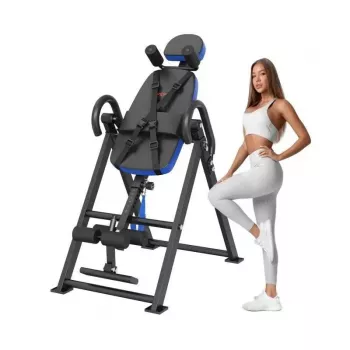
Start with the manufacturer’s maximum user weight rating and don’t “round up.” If you’re at 300 lbs, aim for a table rated beyond that—often 350 lbs or more—so normal movement and shifting weight stays within the design limits. Next, check the frame material and base design: thicker steel tubing, a wider footprint, and solid cross-bracing tend to feel more planted during inversion.
Comfort and restraint systems matter more at higher loads. Look for supportive back padding (not overly squishy), sturdy ankle holders with substantial foam, and an easy-to-reach release/lock system. A reliable angle control (pin system or strap system) helps you increase inversion gradually rather than jumping into steep angles.
Safety tips for heavier users
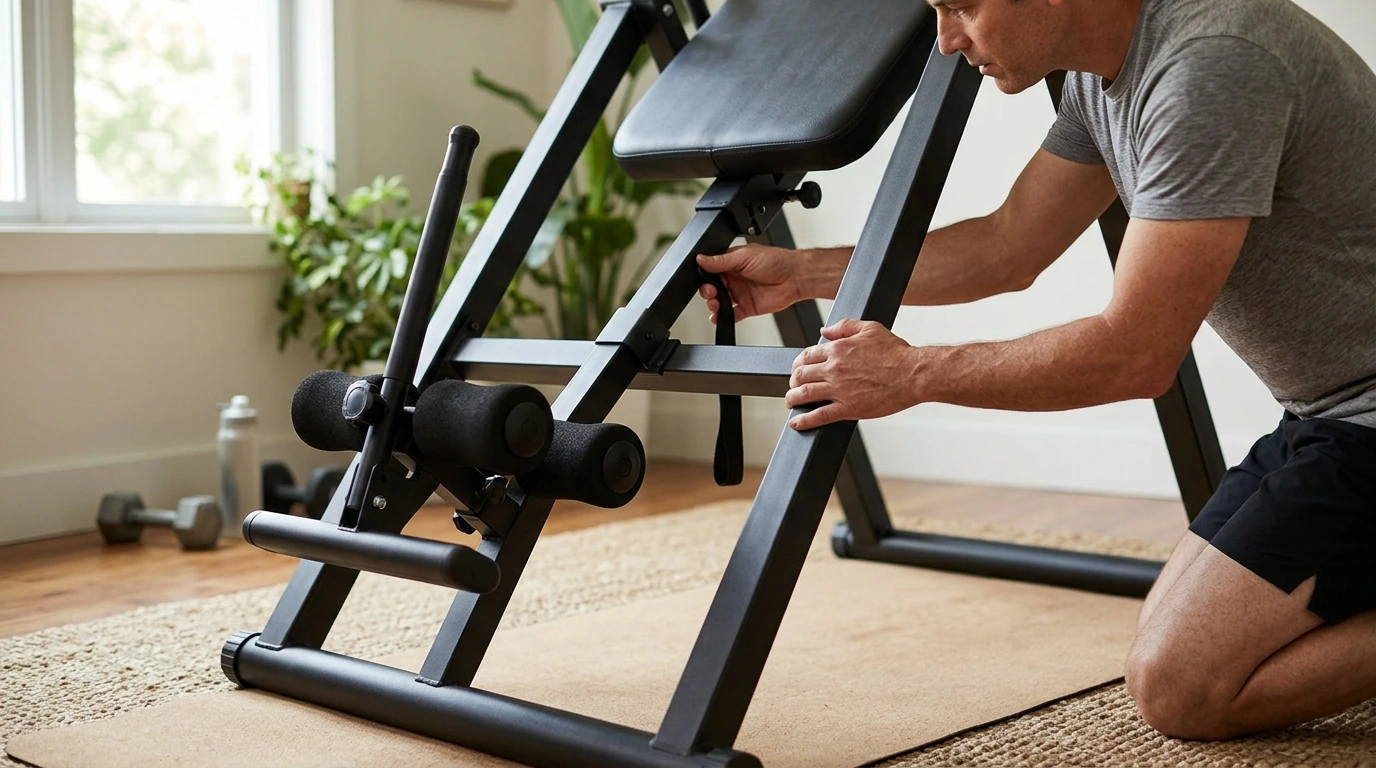
Assembly accuracy is non-negotiable: tighten hardware to spec, confirm all pins lock fully, and test the table at shallow angles first. Place it on level flooring, and avoid using it on thick carpet that can let the base rock. If you have high blood pressure, glaucoma, heart conditions, or recent injuries, get medical clearance before inverting.
Best practices for getting started
Begin with short sessions—think 1–2 minutes at a mild angle—then increase time and angle gradually as comfort improves. Keep movements slow, use the side handles, and stop if you feel dizziness, numbness, or sharp pain.
For a deeper walkthrough on choosing a heavy-duty model, setup checks, and a simple routine, read the full guide here: heavy-duty inversion table guide.
FAQ
What height range should I check before buying an inversion table?
Verify the recommended user height range in the product specs and make sure your height falls comfortably within it. A better fit improves balance, ankle security, and overall comfort during inversion.







Leave a comment