When to Replace Anti-Fatigue Mats: Timing & Warning Signs
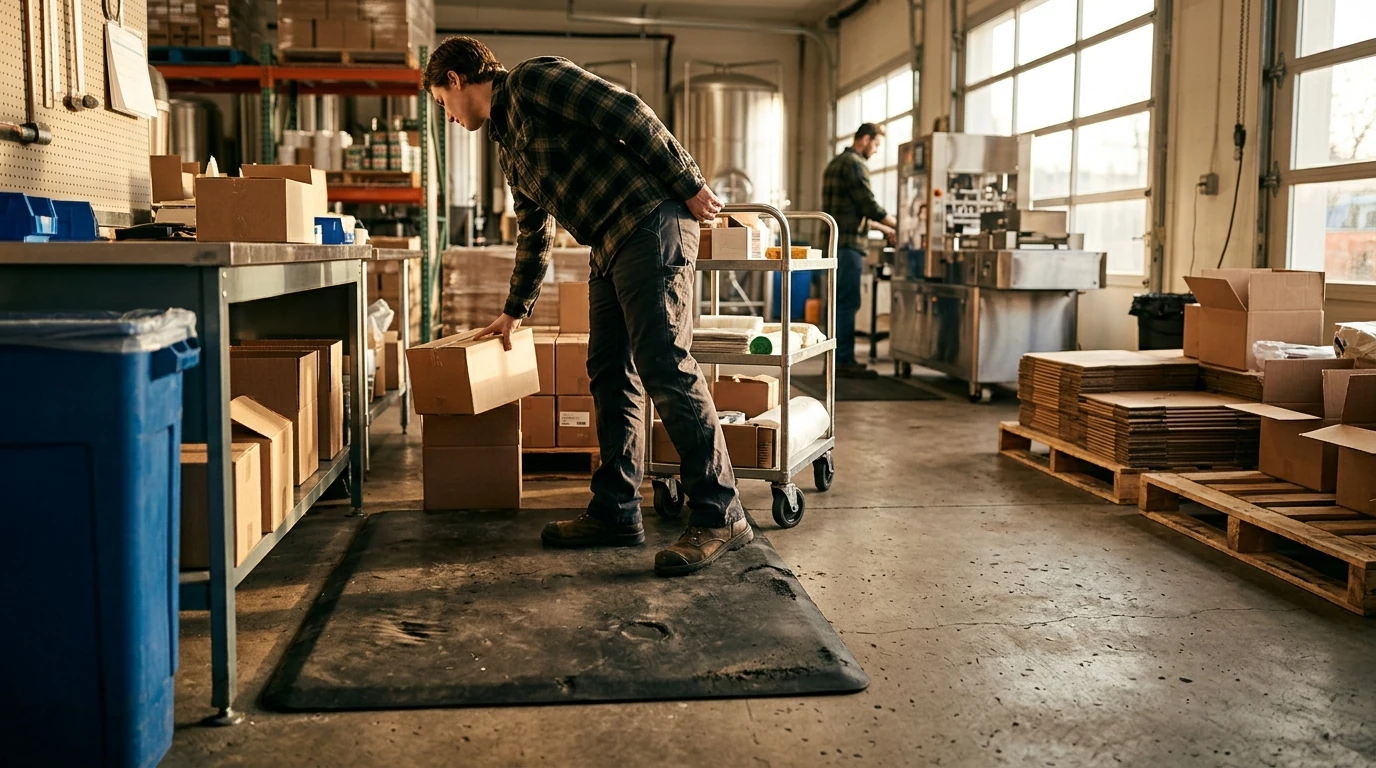
How often should you replace anti-fatigue mats?
Most anti-fatigue mats last about 1–3 years with everyday use, but the right replacement schedule depends more on wear and performance than the calendar. If you stand on the mat daily at a kitchen sink, prep area, or standing desk, it will typically need replacing sooner than a mat used occasionally.
A good rule of thumb: plan to evaluate your mat every 6–12 months, and replace it as soon as it stops providing comfortable support or becomes a safety risk. For more guidance on choosing a durable, waterproof, non-slip option—and how to care for it—see this anti-fatigue mat guide.
Signs it’s time to replace your anti-fatigue mat
Replace your mat when you notice any of the following:
- Permanent flattening: The mat stays compressed and doesn’t rebound after you step off it.
- Cracks, peeling, or curling edges: These are trip hazards and often indicate the material is breaking down.
- Loss of grip: The underside slides on the floor or the top surface feels slick, even after cleaning.
- Water damage or swelling: Especially common near sinks if the mat isn’t truly waterproof.
- Odor that won’t go away: Persistent smells can mean moisture or bacteria is trapped inside the material.
- More foot, knee, or back fatigue: If discomfort returns faster than it used to, the cushioning may be spent.
What affects how long anti-fatigue mats last?
Use intensity matters most: long standing sessions, frequent pivoting, and heavy traffic break down cushioning faster. Material quality also plays a big role—thicker, higher-density mats generally hold their shape longer. Finally, environment can shorten lifespan: grease, harsh cleaners, and constant moisture can degrade surfaces and reduce slip resistance.
How to extend the life of your mat
Wipe spills quickly, clean with mild soap (avoid harsh chemicals unless the manufacturer allows them), and let the mat dry fully if it gets soaked. If corners start to lift, it’s usually safer to replace than to keep repositioning it.
FAQ
How do you clean an anti-fatigue mat without damaging it?
Use warm water and mild dish soap, then rinse and dry completely. Avoid abrasive pads and strong solvents unless the mat’s care instructions specifically say they’re safe.








Leave a comment