Stop a “Non-Slip” Kitchen Mat Sliding on Tile or Vinyl
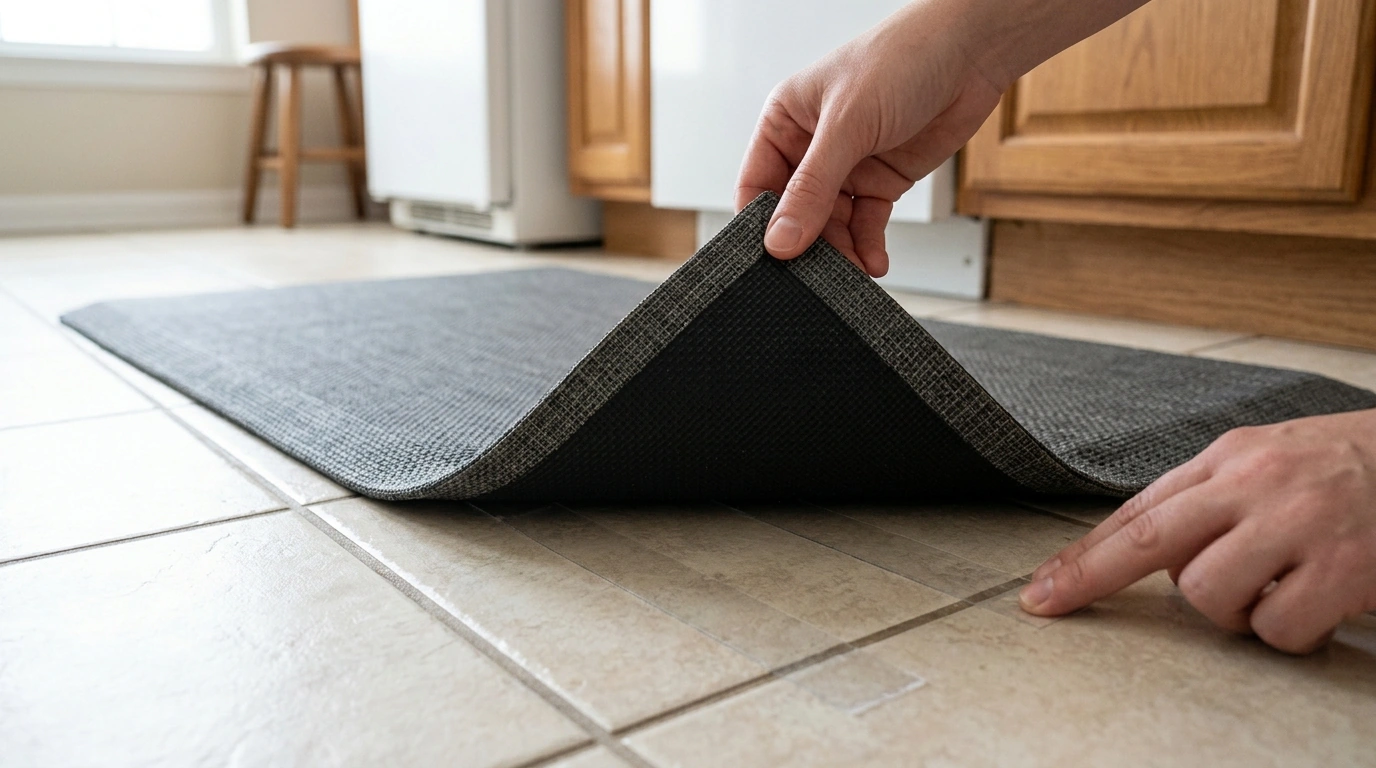
How do you keep a non-slip kitchen floor mat from sliding on tile or vinyl?
Even a “non-slip” kitchen mat can drift on slick tile or vinyl if there’s dust, moisture, or the wrong backing-to-floor pairing. The fix is usually a combination of cleaning, proper placement, and adding grip where the mat meets the floor—without creating residue or damaging your surface.
Start with a clean, dry floor and mat backing
Tile and vinyl get a thin film of cooking oils, cleaners, and dust that acts like a lubricant. Wash the floor with a gentle cleaner, rinse well, and let it dry completely. Then wipe the mat’s underside to remove lint and crumbs. If the backing is washable, follow the care instructions and let it fully air-dry before putting it back down.
Use the right “extra grip” for tile or vinyl
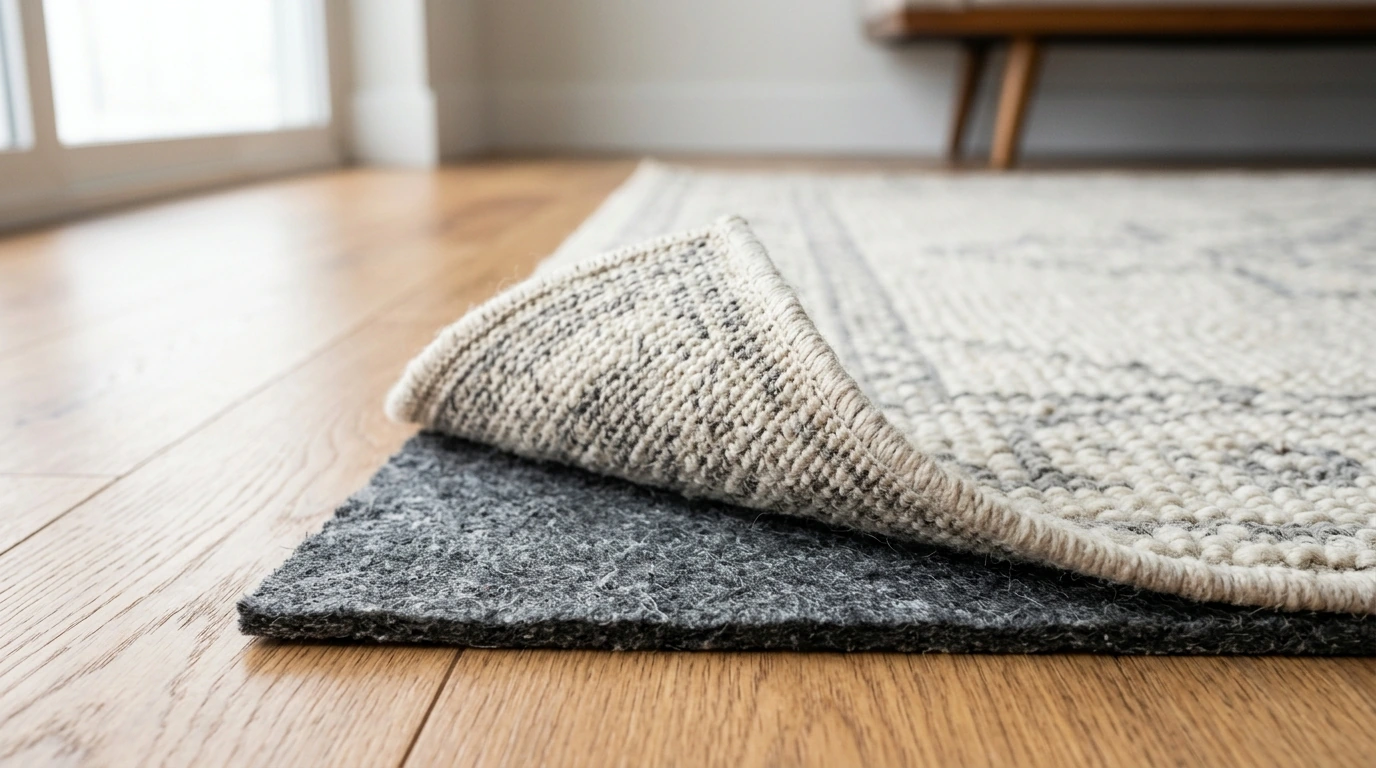
If the mat still slides, place a thin rug gripper pad underneath. Look for one labeled safe for vinyl floors (some rubber or latex materials can discolor vinyl over time). Trim the pad slightly smaller than the mat so it doesn’t peek out and catch debris at the edges.
Flatten curl and prevent edge lift
Curling corners make mats feel like they’re sliding even when the center grips. Reverse-roll the mat, warm it slightly (sunlight or a warm room), and place a heavy object on the corners for a few hours. For stubborn edges, a small amount of removable carpet tape at the corners can help—test first on an inconspicuous area and avoid aggressive adhesives.
Pick a mat designed to stay put in busy kitchens
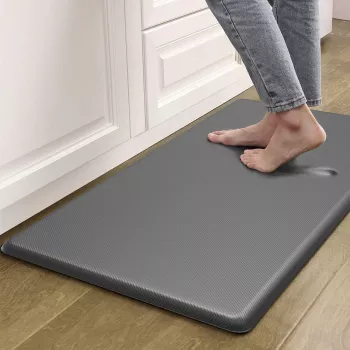
Heavier mats with a quality non-slip base tend to drift less, especially near sinks where splashes happen. For a deeper look at materials, backing types, and what to avoid on smooth floors, see the detailed guide here: non-slip memory foam kitchen mat guide.
FAQ
How often should you clean under a kitchen mat?
Clean under it at least weekly, and immediately after spills. Regular cleaning prevents oily buildup that makes tile or vinyl extra slick and reduces mildew risk near sinks.









Leave a comment