Bluetooth Bone Conduction Pillow Speaker with Sleep Timer
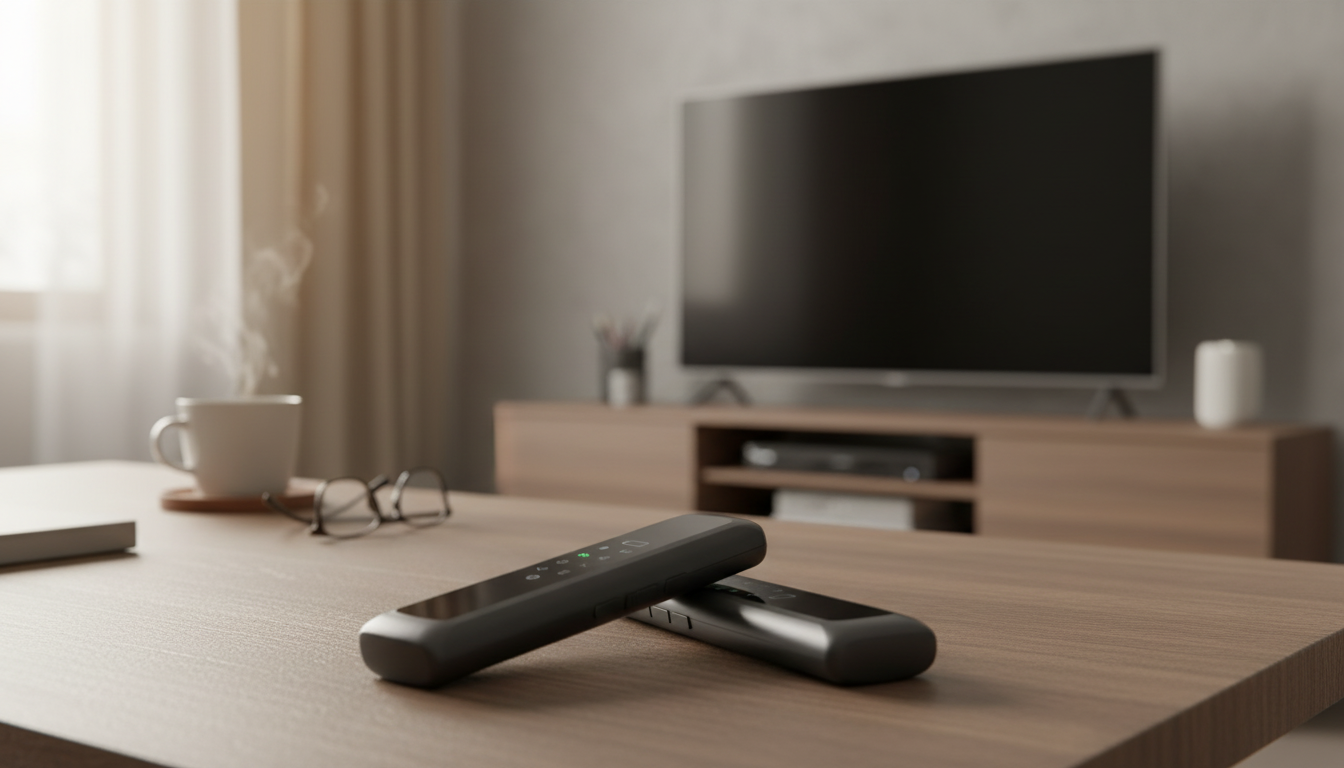
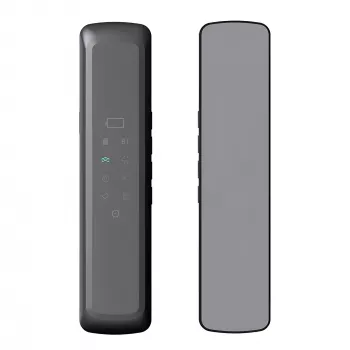
Bluetooth Bone Conduction Pillow Speaker – Wireless Sleep Sound Box with Timer
A pillow speaker that uses bone conduction can deliver clear audio without filling the whole room with sound. Instead of blasting a phone speaker on the nightstand, this wireless sleep sound box pairs over Bluetooth and uses vibration through the pillow and nearby surfaces to keep bedtime listening more personal. A built-in timer helps audio shut off as you drift off, so sound doesn’t run all night.
What Bone Conduction Means for a Pillow Speaker
Bone conduction pillow speakers don’t rely on open-air volume the same way traditional speakers do. By transferring vibrations into the pillow, sound tends to feel more “near your head” than “in the room,” which is especially helpful when someone else is trying to sleep.
- Transfers vibrations through the pillow and nearby surfaces so sound feels more localized near the head
- Helps reduce sound leakage compared with playing audio through a phone speaker at full volume
- Useful for bedtime listening without wearing earbuds, which can be uncomfortable for side sleepers
- Works well with spoken audio, white noise, nature tracks, and quiet music at lower volumes
Because the sound is best at modest volume and close placement, many people find they can understand spoken content without turning it up high—an important part of keeping bedtime audio comfortable over time. For general context on safer listening habits, the CDC’s overview of noise exposure is a helpful reference: CDC/NIOSH – Understand Noise Exposure.
Everyday Uses: From Wind-Down to Wake-Up
A wireless pillow speaker is less about “big sound” and more about steady, low-distraction audio that supports your routine. Common uses include:
- Sleep stories and audiobooks: keep volume low while staying intelligible
- White noise and fan sounds: create a consistent masking layer for disruptive noises
- Meditation and breathing tracks: pair with a timer to avoid playing all night
- Travel and shared rooms: maintain more privacy in hotels, dorms, and guest rooms
- Shift work naps: set a short timer for power naps without overstaying audio playback
When bedtime audio becomes part of a consistent routine—same general start time, similar volume, and a predictable shutoff—it can fit neatly into broader sleep-hygiene habits like keeping the bedroom dim and minimizing late-night stimulation. For practical sleep routine guidance, see: National Sleep Foundation – Sleep Hygiene.
Key Features to Look For in a Wireless Sleep Sound Box
Not all sleep speakers behave the same at night. These are the details that matter most when you’re half-asleep and don’t want to fiddle with a bright screen.
- Bluetooth stability: reliable pairing and steady playback near the bed
- Timer options: ability to set playback duration (for example, 15/30/60 minutes) to reduce overnight noise exposure
- Controls: simple buttons for play/pause, volume, and track navigation without turning on a bright screen
- Charging and portability: compact design that’s easy to pack and recharge
- Placement flexibility: works under the pillow edge, inside the pillowcase, or beside the pillow depending on comfort
Quick checklist for sleep-friendly audio
| Feature | Why it matters at bedtime | Practical tip |
|---|---|---|
| Timer | Prevents audio from running all night | Start with 30 minutes and adjust based on how long it takes to fall asleep |
| Low sound leakage | More considerate in shared spaces | Place closer to the pillow center to keep volume lower |
| Simple controls | Avoids bright screens and fumbling | Test buttons once with lights on so it’s easy later |
| Wireless playback | Fewer cables near the bed | Charge during the day to keep the nightstand clear |
| Comfortable placement | Reduces pressure points for side sleepers | Try shifting the device a few inches away from the ear if it feels noticeable |
Using the Timer for Better Sleep Habits
The timer is the difference between “helpful background audio” and “sound still playing at 3 a.m.” A few small tweaks can make the timer work with your natural sleep pattern.
- Set a consistent wind-down routine: start the same track and duration nightly to cue relaxation
- Keep volume modest: the goal is gentle background sound, not immersive loud playback
- Pair timer length to content: shorter for breathing exercises, longer for rain/white noise loops
- If waking during the night: avoid restarting long tracks; use a short timer so the room returns to quiet
- Consider device notifications: enable Do Not Disturb on the phone to prevent alerts from interrupting playback
Setup and Placement Tips (Comfort First)
Product Snapshot: Bluetooth Bone Conduction Pillow Speaker with Timer
If the goal is low-leakage bedtime listening without earbuds, the Bluetooth Bone Conduction Pillow Speaker – Wireless Sleep Sound Box with Timer is designed for exactly that: localized sound through pillow vibration, wireless pairing, and a timer for hands-off shutoff.
At-a-glance details
| Item | Details |
|---|---|
| Product name | Bluetooth Bone Conduction Pillow Speaker – Wireless Sleep Sound Box with Timer |
| Price | 19.67 USD |
| Availability | In stock |
| Where to buy | Exquisite Gem Bay product page |
More In-Stock Finds
FAQ
Will a bone conduction pillow speaker disturb someone sleeping next to me?
It usually sounds more localized than a typical phone speaker, but some sound leakage can still happen. Keep the volume low, place the speaker closer to your side (nearer the pillow’s center for clarity), and use the timer so it shuts off shortly after you fall asleep.
Can it be used without wearing earbuds?
Yes. It’s designed to play audio through vibration into the pillow and nearby surfaces, so earbuds aren’t necessary. That can be especially helpful if you find earbuds uncomfortable when sleeping on your side.
How long should the timer be set for bedtime listening?
Start with 15–30 minutes and adjust to match how long it typically takes you to fall asleep. If you’re using sound mainly to mask intermittent noise, a longer timer can help, but keep the volume moderate.









Leave a comment