Better Than Memory Foam? Top Cooler, Firmer Mat Options
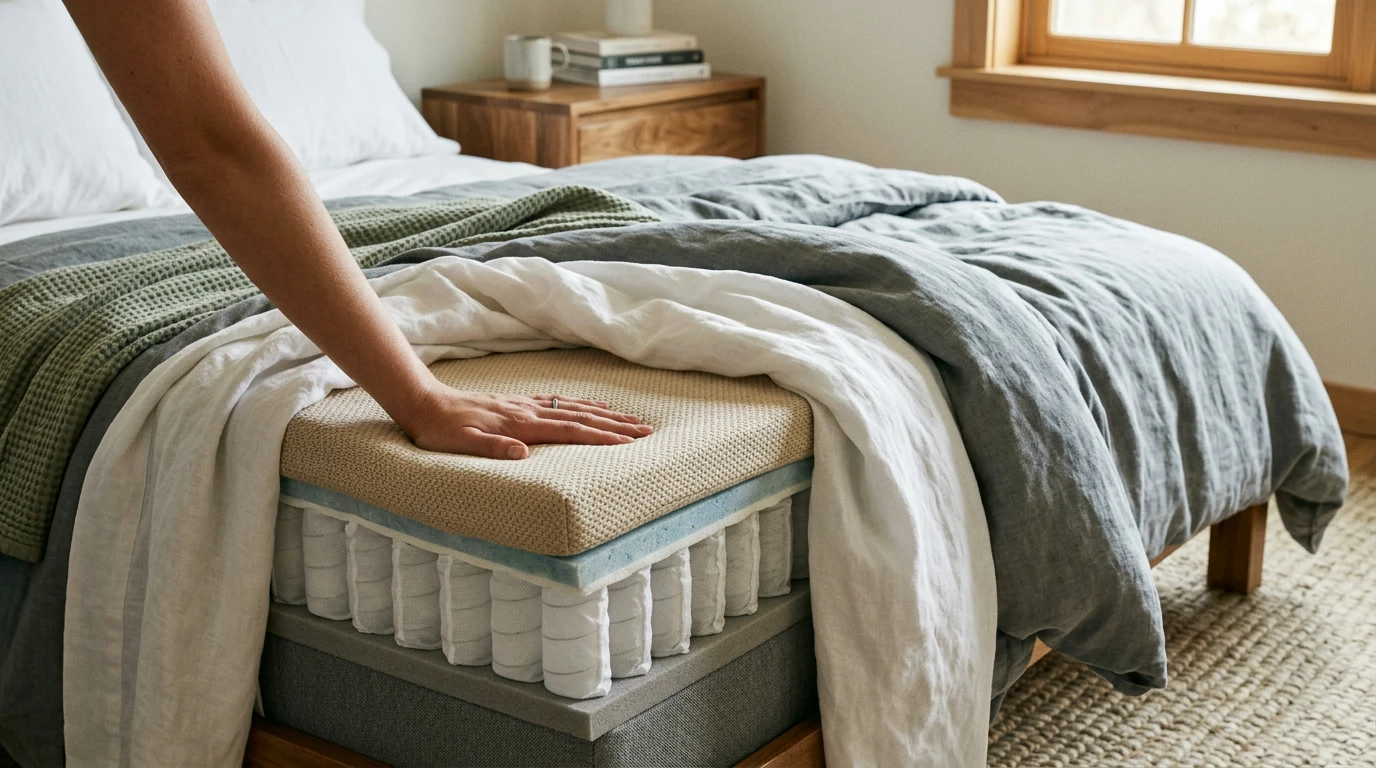
Is there anything better than memory foam?
Yes—depending on what “better” means for your space, there are materials that can outperform memory foam in specific ways. Memory foam is popular because it cushions pressure points and feels plush, but it can also run warm, compress over time, or feel too “sink-in” for people who prefer a springier, more stable surface.
When alternatives can beat memory foam
Gel foam and gel-infused layers often feel cooler and respond faster than traditional memory foam. If heat is your main complaint, gel options can be a noticeable upgrade, especially in rooms where you stand for long stretches.
High-density polyurethane foam (support foam) can feel firmer and more supportive, with less of the slow-melt sensation memory foam is known for. It’s a solid pick when you want steadier footing—helpful for work zones like a sink or stove area.
Rubber (including natural rubber) is bouncy, durable, and quick to rebound. It typically resists bottoming out better than softer foams and can be a strong option when longevity and responsive support matter most.
Anti-fatigue mats with engineered cores (often a layered construction) are designed specifically to reduce leg fatigue rather than mimic a mattress feel. They can provide a more balanced mix of cushioning and stability than pure memory foam.
What matters most for kitchen comfort
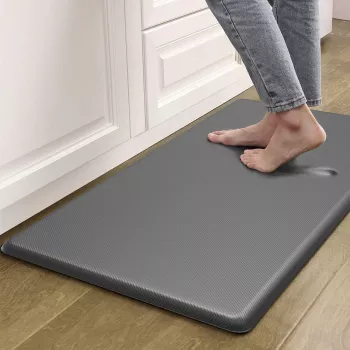
In a kitchen, “better” often comes down to safety and maintenance as much as softness. A mat that stays put, doesn’t curl at the edges, and cleans easily can feel more comfortable day-to-day than a plusher mat that shifts or traps spills. For a practical breakdown of what to look for—like non-slip backing and absorbent, easy-clean surfaces—see this guide to non-slip memory foam kitchen mats with absorbent flannel.
FAQ
What thickness is best for a kitchen comfort mat?
About 1/2 inch to 3/4 inch is a common sweet spot for comfort without feeling unstable. Thicker mats can feel softer, but they should still have firm support and a non-slip base.









Leave a comment