Rug Pad or Not? When You Actually Need One
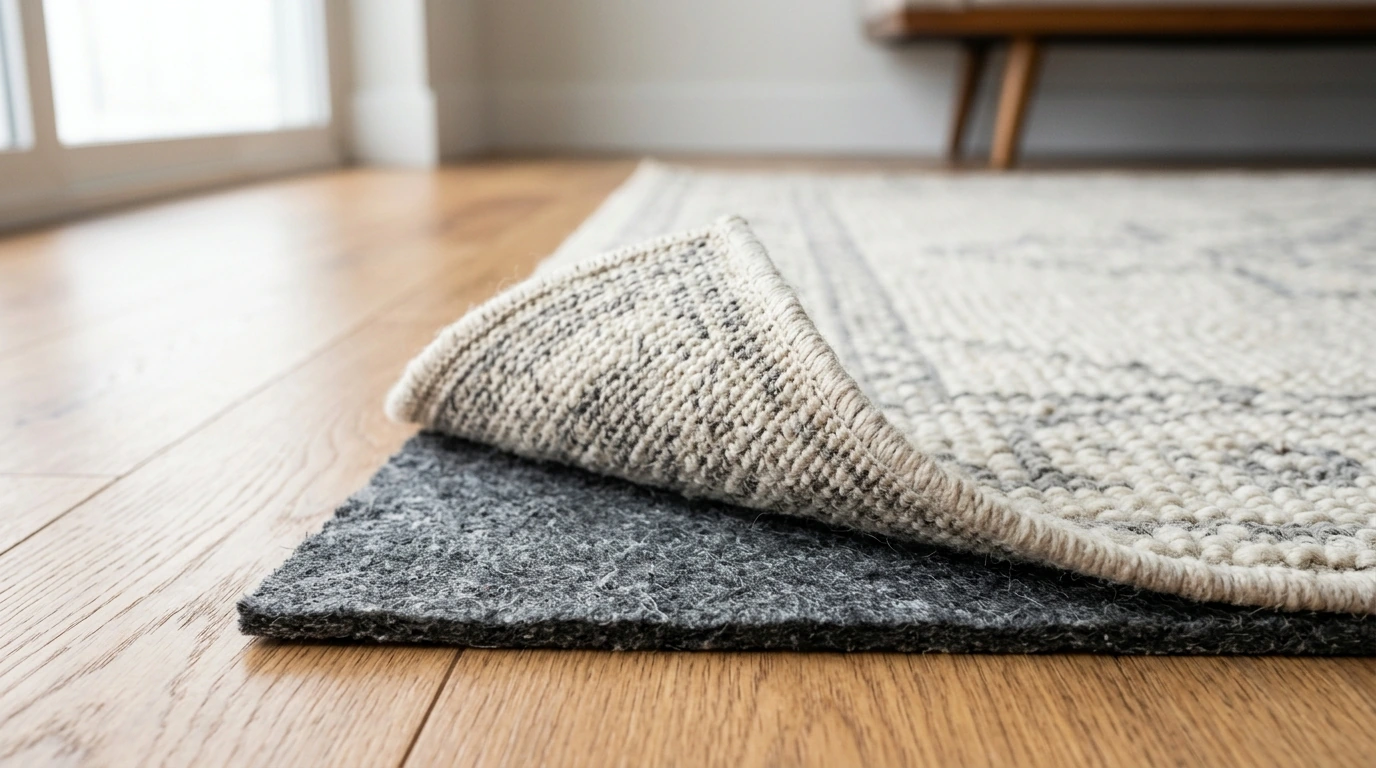
Do I really need a rug pad under my rug?
In most homes, a rug pad is worth it. Even if your rug looks fine on the floor, a pad adds grip, protects the surface underneath, and helps the rug wear more evenly over time. The difference is most noticeable on hard floors like hardwood, tile, laminate, and vinyl, where rugs tend to creep, bunch, or slide when you walk across them.
When a rug pad is most helpful
A rug pad is a smart add-on if your rug sits in a high-traffic spot (entryway, hallway, living room), if kids or pets run through the area, or if you’ve ever had to straighten the rug after vacuuming. Pads reduce shifting and rippling, which also lowers trip risk. They can also cushion the feel underfoot, making thin rugs more comfortable.
What a rug pad actually does
A good pad does three jobs: it creates friction so the rug stays put, it acts as a buffer to reduce abrasion between rug backing and flooring, and it supports the rug’s fibers so they don’t crush as quickly. On some floors, it can also help prevent discoloration or scuffs caused by the rug sliding microscopically over time.
When you might skip it
If your rug is wall-to-wall sized, anchored by heavy furniture on all sides, and rarely moves, you may not “need” a pad. Even then, a thin non-slip option can make vacuuming easier and add a small layer of protection. If you have radiant heat flooring or delicate finishes, confirm the pad material is compatible with your floor and rug backing.
A quick alternative for comfort and grip
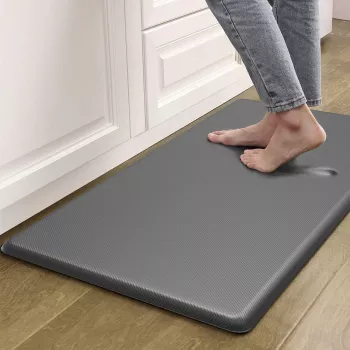
If your main goal is stable footing and added cushioning in standing areas (like kitchens or a desk setup), a dedicated non-slip comfort mat can be a better fit than a rug-and-pad combo. See practical guidance here: waterproof, non-slip, anti-fatigue mat guide.
FAQ
Can a rug pad damage hardwood floors?
It can if the material traps moisture or reacts with certain finishes. Choose a breathable pad made for hardwood and keep both the floor and rug dry.








Leave a comment