Portable Projector Lumens: Dark vs Bright Rooms
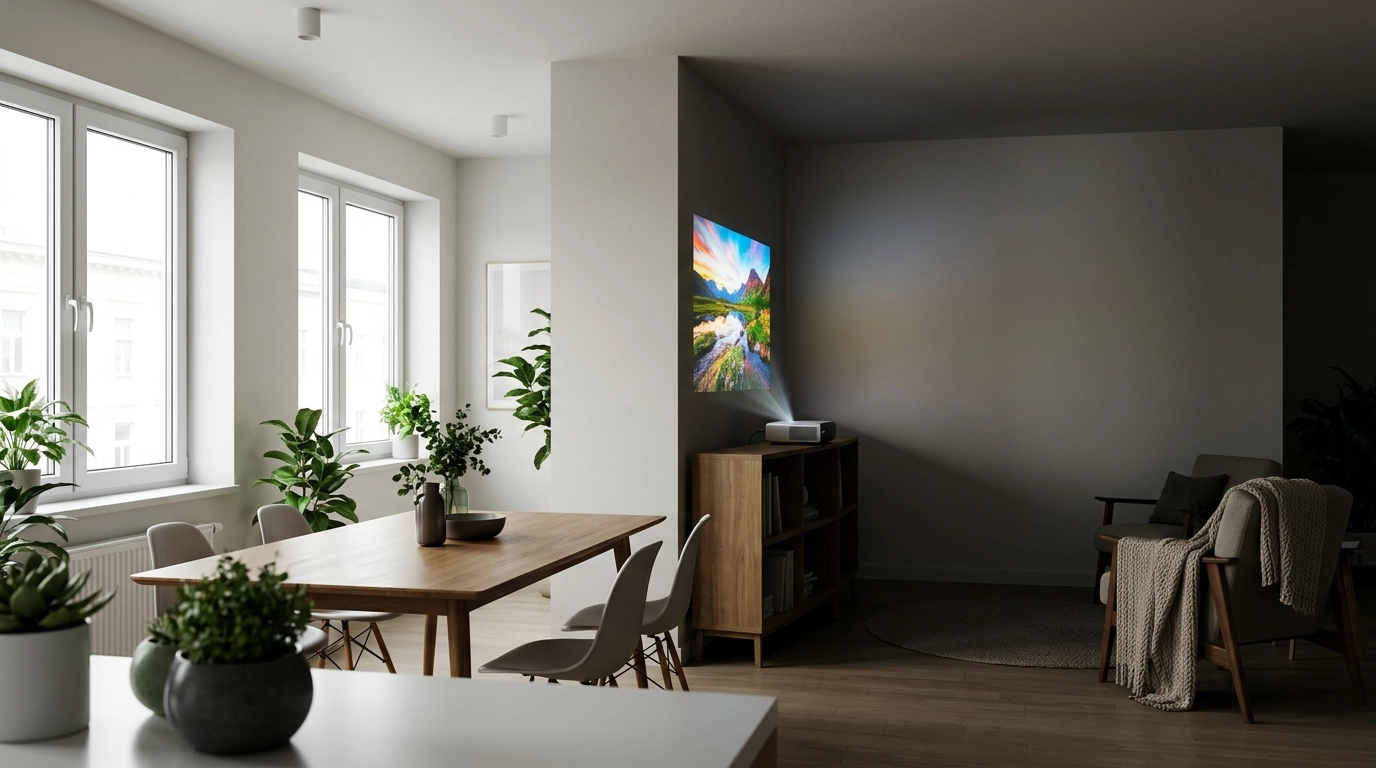
How many lumens do you need for a portable projector in a dark room versus a bright room?
The right lumen level depends mostly on how much ambient light is in the space and how large you want the image. In a truly dark room, you can use far fewer lumens and still get a punchy picture. In a bright room, you’ll need significantly more light output to prevent the image from looking washed out.
Dark room (lights off or very dim)
For a portable projector in a dark room, around 500–1,500 ANSI lumens is often enough for a comfortable movie-night image, especially at moderate screen sizes. If you’re projecting larger (for example, 100 inches or more) or want richer color and contrast, aiming closer to 1,000–2,000 ANSI lumens can help maintain brightness without cranking settings that can reduce black levels.
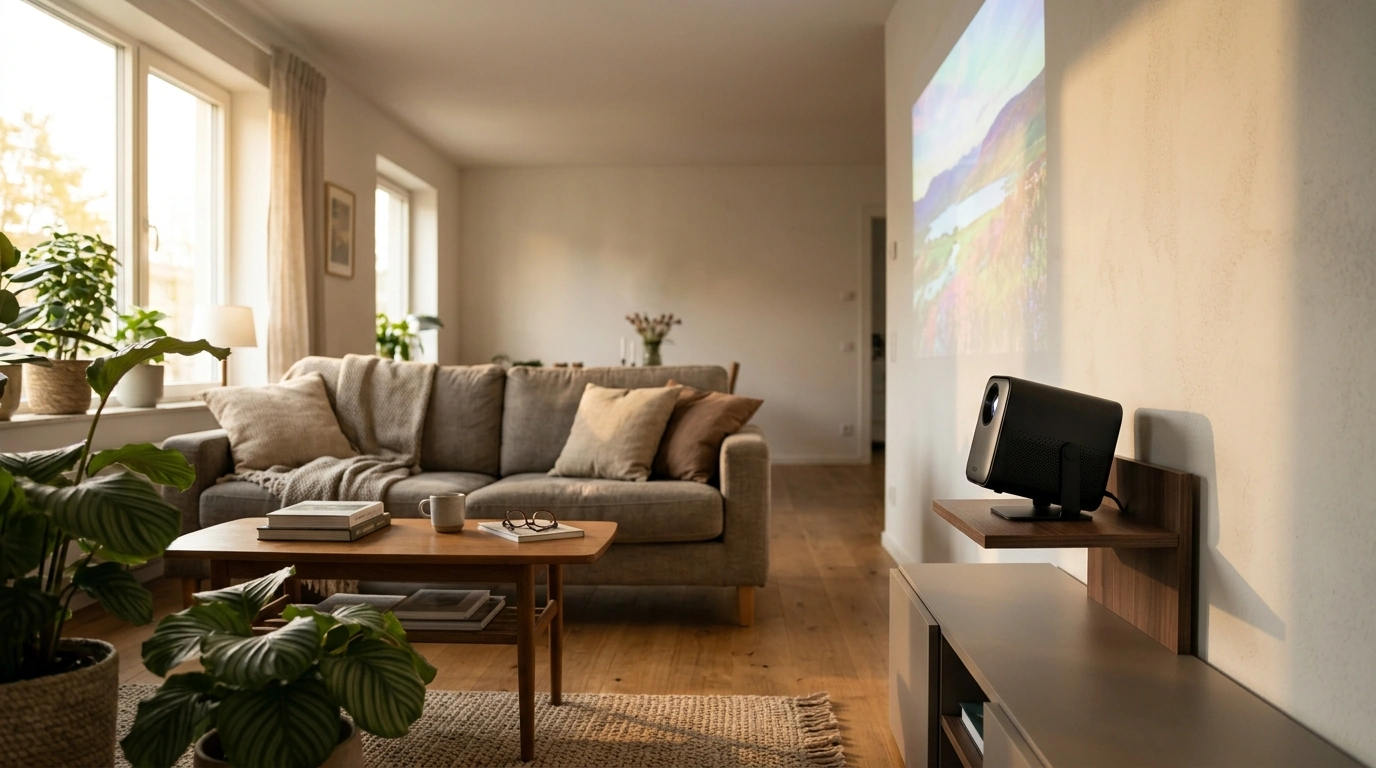
Bright room (daylight or overhead lights on)
For a bright room, plan on 2,000–3,500+ ANSI lumens for a watchable image, with higher values needed for larger screens and lighter wall colors. If sunlight is hitting the projection area, even high-lumen projectors can struggle; controlling light with curtains or moving the setup often makes a bigger difference than small lumen increases.
Quick rule of thumb for portable setups
As the picture gets bigger, it spreads the same light over more area, so it looks dimmer. If you regularly project at 80–100 inches, budget extra lumens versus a 60–70 inch setup, especially outside or in rooms with lamps on.
For more practical details on choosing a portable model and what brightness claims mean in real use, see the full guide here: portable projector buying guide.
For Portable Projector Lumens: Dark vs Bright Rooms, the best answer depends on fit, material, care instructions, and how the product will be used day to day.
FAQ
What’s the difference between ANSI lumens and “lux” or marketing lumens?
ANSI lumens are measured using a standardized method and are the most reliable for comparing brightness. Many “lux” or marketing lumen numbers are not directly comparable across brands and can look much higher than real-world brightness.









Leave a comment