Ceramic vs Glass Vases for Flowers: Which Is Better?
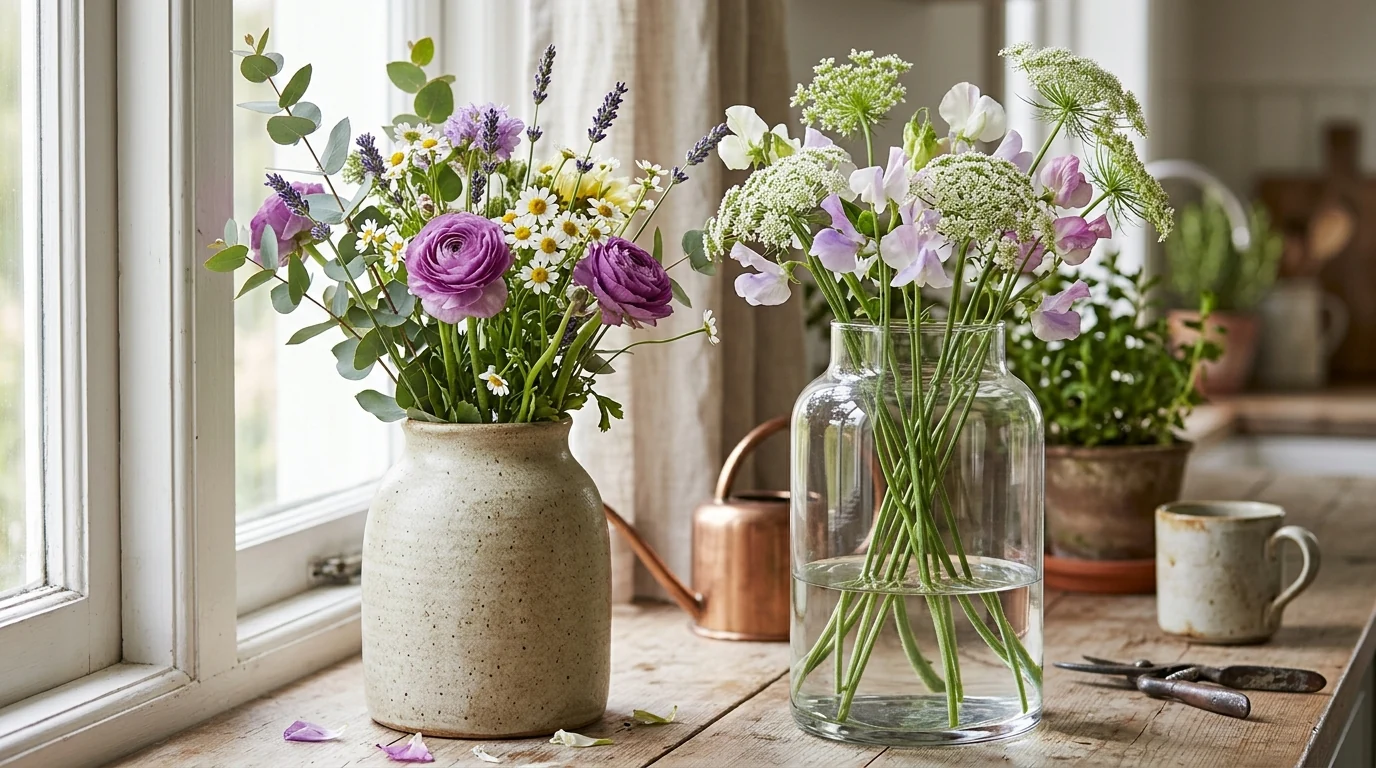
Are ceramic or glass vases better for flowers?
Ceramic and glass vases can both keep flowers looking fresh, but they excel in different ways. The better choice depends on the bouquet style, where the arrangement will sit, and how much maintenance you want.
When glass vases are the better pick
Glass is a go-to for cut flowers because it’s non-porous and easy to rinse clean, which helps reduce bacteria that can shorten vase life. It’s also ideal for showcasing stems, water clarity, and decorative filler (like river stones). For tall, clean-lined bouquets—think roses, tulips, or long-stemmed greenery—glass makes the arrangement feel airy and modern. If you like to monitor water level and cloudiness at a glance, glass is the most practical.
When ceramic vases are the better pick
Ceramic shines when you want a warmer, more curated look on a dining table, console, or bookshelf. It visually “anchors” arrangements with its color and texture, so even simple supermarket bunches can look intentional. Many ceramic silhouettes are also better at supporting top-heavy blooms (like hydrangeas, peonies, or mixed garden-style bouquets) because the body often has more visual weight and a steadier stance. If you prefer the bouquet to be the focus—without seeing stems or water—ceramic delivers a cleaner presentation.
Care and longevity considerations
Glass is typically simplest to deep-clean (especially narrow necks when using a bottle brush), while ceramic can require a bit more care if it has a textured or handcrafted finish. For fresh flowers, the most important factor is still water hygiene: change water regularly and wash the vessel between uses.
Style tip for tabletop decor
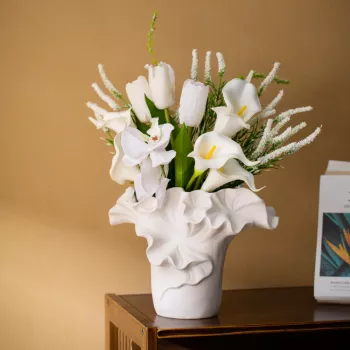
If your vase is part of the room’s design even when it’s empty, ceramic often wins for year-round styling. For a closer look at a handcrafted option that blends floral function with tabletop decor, see the Petal Pleat Handmade Ceramic Vase guide.
FAQ
How do you clean a vase to make flowers last longer?
Wash the vase with warm water and dish soap, then rinse thoroughly to remove residue. For lingering film or odor, use a small amount of vinegar or baking soda and scrub with a bottle brush before refilling.








Leave a comment