How Long Does Ice Last in a Yeti Bucket? Real Timelines
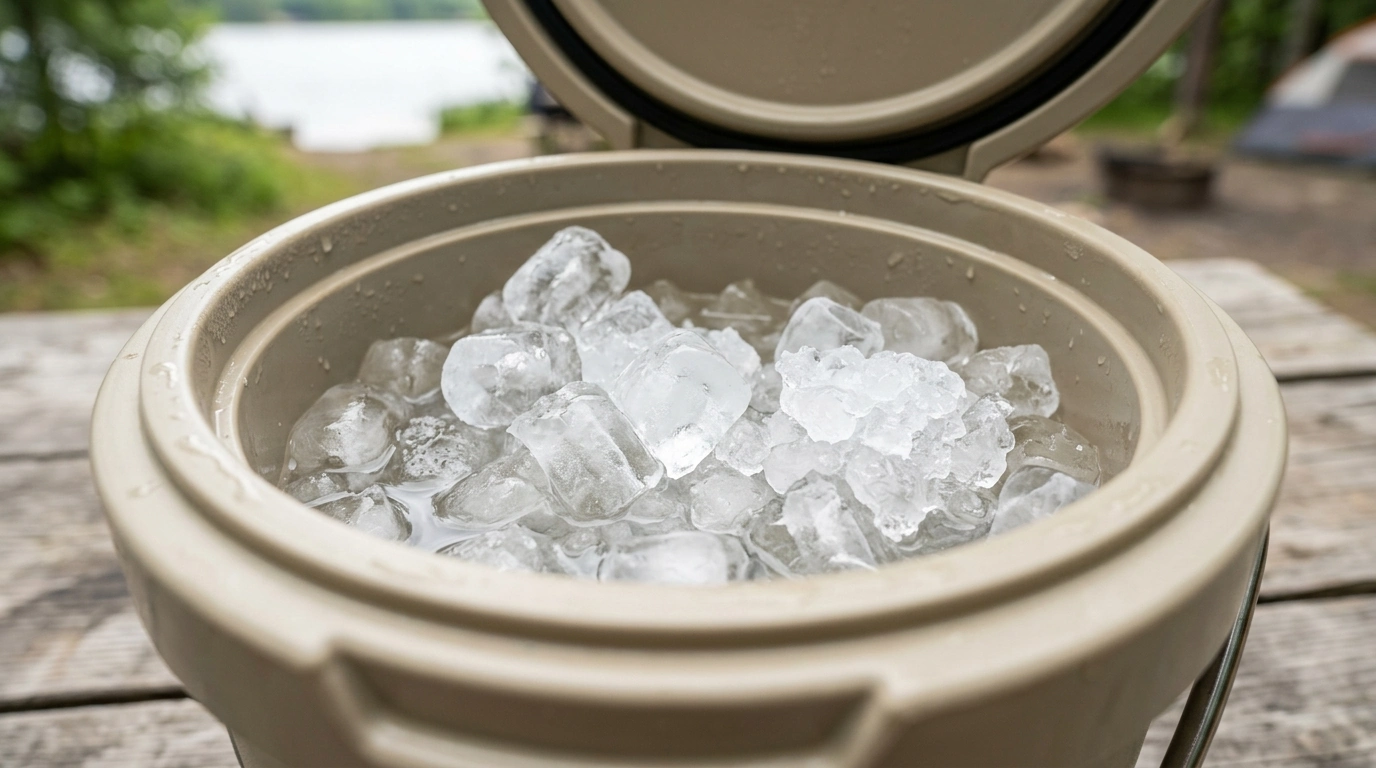
How long will ice last in a Yeti bucket?
In typical real-world use, ice in a Yeti-style insulated bucket can last anywhere from about 12 hours to 2+ days. The wide range comes down to how the bucket is built (wall insulation, lid seal, and material), how often it’s opened, and the conditions around it—sun, air temperature, wind, and whether the ice starts as cubes, chunks, or crushed.
What affects ice life the most?
The biggest drivers are heat and airflow. Direct sun on a dark surface, a warm deck, or frequent lid-opening can melt ice dramatically faster than the same bucket kept shaded and closed. The starting temperature of the bucket also matters—pre-chilling the bucket and using already-frozen contents helps maintain a lower internal temp longer.
Typical timelines (what many shoppers experience)
If you’re using the bucket at a backyard party and opening it regularly, expect roughly 12–24 hours of usable ice, sometimes less in high heat. For camping or low-access storage where the lid stays shut most of the time, 24–48 hours is common, with longer holds possible when you use larger ice pieces and minimize warm additions.
How to make the ice last longer
Use larger cubes or ice blocks (they melt slower than crushed ice), keep the bucket in shade, and avoid draining the ice water unless you need to—cold meltwater can help keep the remaining ice colder. Also, chill beverages before adding them; warm cans and bottles are like little heaters inside the bucket.
For a deeper breakdown of insulation, bucket materials, and practical tips for longer-lasting ice on trips, see the guide here: https://exquisitegembay.shop/guide-camping-ice-made-easy-large-insulated-steel-bucket/.
FAQ
Is it better to use ice cubes or a large ice block in an insulated bucket?
A large ice block usually lasts longer because it has less surface area exposed to warmth. If you need faster chilling and easier scooping, use cubes—but expect quicker melt compared to a block.











Leave a comment